What factors influence insurance coverage?
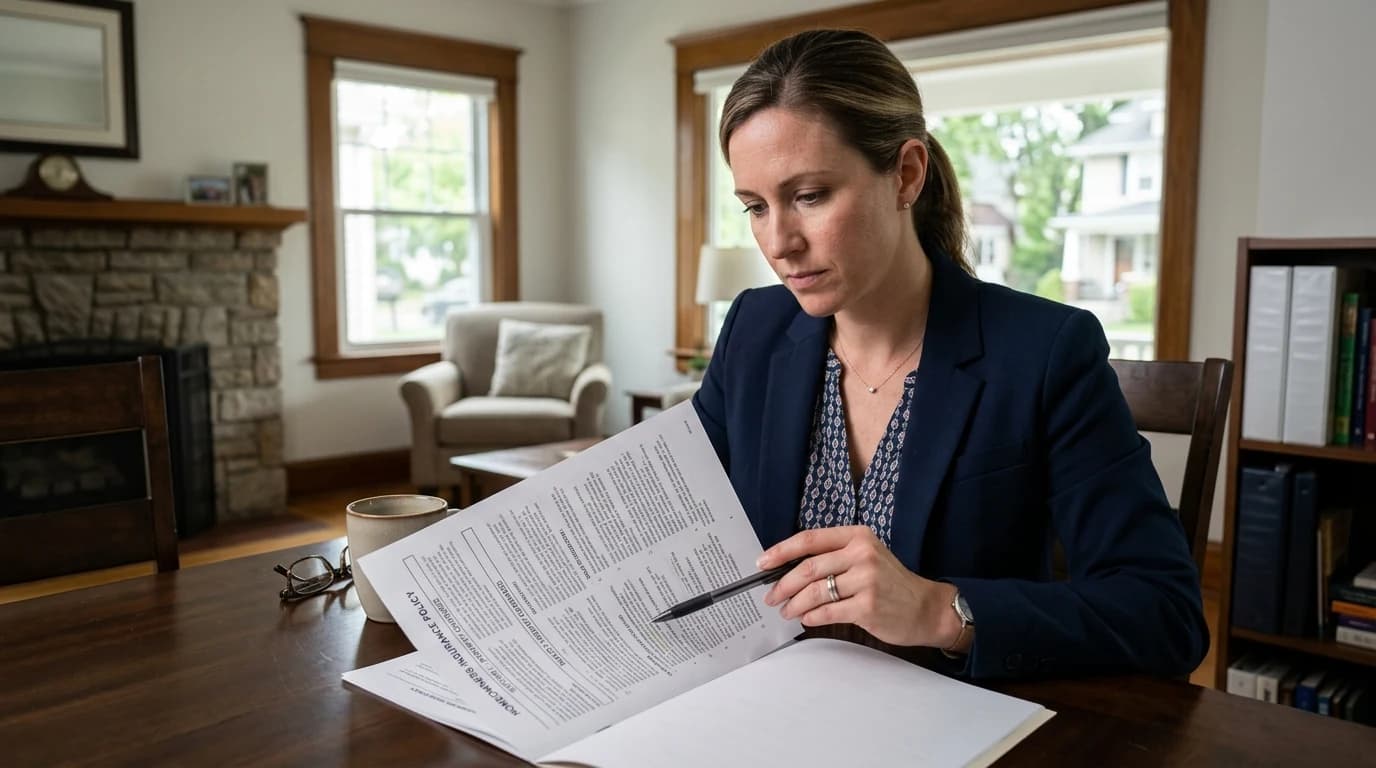
Insurance coverage for mold removal often depends on the cause of the mold. If the mold resulted from a covered peril like water damage from a burst pipe, you might be covered. However, mold due to neglect or poor maintenance is typically not covered. It's crucial for Garfield homeowners to review their policy details and speak with their insurance provider to understand specific coverage terms.
Homeowners should also be aware of any sub-limits on mold coverage within their policy. Some insurance policies have specific limits on the amount they will pay for mold remediation. For instance, a policy might cover up to $10,000 for mold damage, even if the total cost exceeds that amount. Understanding these limits can help homeowners plan financially for any out-of-pocket expenses.
It is also essential to consider the type of insurance policy you have. Standard homeowners insurance policies might not cover mold damage, but certain endorsements or additional coverage options can be purchased to provide this protection. Discussing these options with your insurance agent can provide peace of mind and help ensure you have adequate coverage in place.
Homeowners should also be aware of any sub-limits on mold coverage within their policy. Some insurance policies have specific limits on the amount they will pay for mold remediation. For instance, a policy might cover up to $10,000 for mold damage, even if the total cost exceeds that amount. Understanding these limits can help homeowners plan financially for any out-of-pocket expenses.
It is also essential to consider the type of insurance policy you have. Standard homeowners insurance policies might not cover mold damage, but certain endorsements or additional coverage options can be purchased to provide this protection. Discussing these options with your insurance agent can provide peace of mind and help ensure you have adequate coverage in place.
How can you file a successful mold insurance claim?
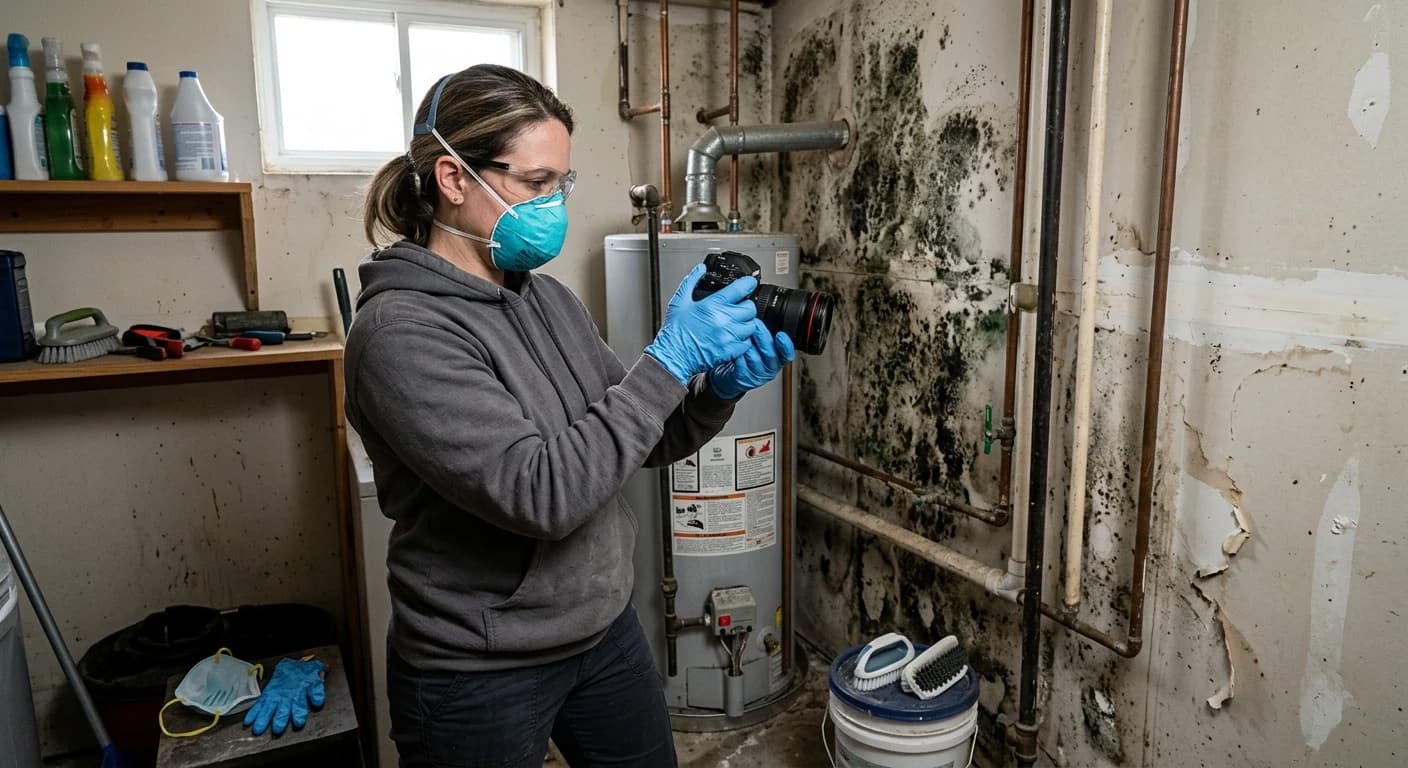
To file a successful claim, document everything. Take photos of the mold and any related damage, and keep records of all communications with your insurance provider. An inspection report by a professional mold removal company can also support your claim. Consider contacting a professional service to better understand the documentation needed for claims.
Start by contacting your insurance agent as soon as you discover the mold. Early notification is crucial, as delays can sometimes be used as a reason to deny a claim. Describe the situation in detail and follow up your conversation with a written summary.
When documenting the damage, focus on capturing clear, detailed images. Photograph affected areas from multiple angles, and include any visible water damage or leaks. A good practice is to timestamp your photos, either through the camera settings or a third-party app, to provide a clear timeline.
In addition to visual evidence, gather any repair or maintenance records related to the issue. These documents can demonstrate that the mold was not due to negligence, which can strengthen your claim. If possible, obtain a written report from a licensed mold inspector, detailing the extent of the damage and potential causes. This report can serve as an authoritative source when discussing your claim with the insurance company.
Finally, maintain a detailed log of all interactions with your insurance company. Note the date, time, and content of each conversation, including the names of any representatives you speak with. This log can be invaluable if there are disputes later in the claims process.
Start by contacting your insurance agent as soon as you discover the mold. Early notification is crucial, as delays can sometimes be used as a reason to deny a claim. Describe the situation in detail and follow up your conversation with a written summary.
When documenting the damage, focus on capturing clear, detailed images. Photograph affected areas from multiple angles, and include any visible water damage or leaks. A good practice is to timestamp your photos, either through the camera settings or a third-party app, to provide a clear timeline.
In addition to visual evidence, gather any repair or maintenance records related to the issue. These documents can demonstrate that the mold was not due to negligence, which can strengthen your claim. If possible, obtain a written report from a licensed mold inspector, detailing the extent of the damage and potential causes. This report can serve as an authoritative source when discussing your claim with the insurance company.
Finally, maintain a detailed log of all interactions with your insurance company. Note the date, time, and content of each conversation, including the names of any representatives you speak with. This log can be invaluable if there are disputes later in the claims process.
What steps should you take if your claim is denied?
If your claim is denied, request a detailed explanation from your insurance provider. You may need to hire a public adjuster or attorney to review your policy and dispute the denial. Garfield residents should not hesitate to seek professional advice to explore all available options and ensure fair treatment.
Start by carefully reviewing the denial letter from your insurance company. It should provide specific reasons for the denial, which can help you identify any misunderstandings or errors in the assessment. Compare the denial reasons with your policy terms to see if there are discrepancies.
Hiring a public adjuster can be a wise decision, especially if you are not familiar with insurance jargon or feel overwhelmed by the process. Public adjusters are licensed professionals who work on behalf of policyholders to negotiate claims with insurance companies. They can provide an independent assessment of the damage and help ensure that all aspects of your claim are considered.
If you choose to work with an attorney, look for one who specializes in insurance claims or property damage. They can offer legal advice on how to proceed with your dispute and represent you in negotiations or legal proceedings if necessary.
While pursuing a disputed claim, continue to document any changes in the condition of your property. This ongoing documentation can support your case if new evidence arises. Additionally, keep all correspondence with your insurance company organized, as this will be crucial if further negotiation or litigation is needed.
For Garfield homeowners, local resources such as community legal aid services or consumer protection agencies can also provide support and guidance. These organizations can offer free or low-cost assistance to help you navigate the complexities of insurance disputes.
For more information on professional mold removal services, visit our services page.
Start by carefully reviewing the denial letter from your insurance company. It should provide specific reasons for the denial, which can help you identify any misunderstandings or errors in the assessment. Compare the denial reasons with your policy terms to see if there are discrepancies.
Hiring a public adjuster can be a wise decision, especially if you are not familiar with insurance jargon or feel overwhelmed by the process. Public adjusters are licensed professionals who work on behalf of policyholders to negotiate claims with insurance companies. They can provide an independent assessment of the damage and help ensure that all aspects of your claim are considered.
If you choose to work with an attorney, look for one who specializes in insurance claims or property damage. They can offer legal advice on how to proceed with your dispute and represent you in negotiations or legal proceedings if necessary.
While pursuing a disputed claim, continue to document any changes in the condition of your property. This ongoing documentation can support your case if new evidence arises. Additionally, keep all correspondence with your insurance company organized, as this will be crucial if further negotiation or litigation is needed.
For Garfield homeowners, local resources such as community legal aid services or consumer protection agencies can also provide support and guidance. These organizations can offer free or low-cost assistance to help you navigate the complexities of insurance disputes.
For more information on professional mold removal services, visit our services page.
Preventative Measures to Avoid Mold Growth
Preventing mold growth in your home is a proactive step that can save you from the hassle of dealing with insurance claims and costly repairs. Start by controlling moisture levels, as mold thrives in damp environments. Use dehumidifiers in areas prone to humidity, such as basements and bathrooms. Ensure that your home is well-ventilated, especially in kitchens and laundry rooms, where steam and moisture are common.
Regular maintenance of your home's plumbing system is also crucial. Check for leaks under sinks, around toilets, and near appliances like dishwashers and washing machines. Address any water leaks immediately to prevent the conditions that lead to mold. It's also a good idea to inspect your roof and gutters for damage, as leaks in these areas can lead to mold in attics and walls.
Another effective preventative measure is using mold-resistant products during renovations. Mold-resistant drywall and paint can be used in areas susceptible to moisture, reducing the likelihood of mold growth. Additionally, ensure that any existing mold is thoroughly removed before painting or installing new materials.
Lastly, educate your family about the importance of moisture control and encourage practices like wiping down wet surfaces and using exhaust fans. By taking these preventative steps, you can significantly reduce the risk of mold in your home, making it a healthier and safer environment.
Regular maintenance of your home's plumbing system is also crucial. Check for leaks under sinks, around toilets, and near appliances like dishwashers and washing machines. Address any water leaks immediately to prevent the conditions that lead to mold. It's also a good idea to inspect your roof and gutters for damage, as leaks in these areas can lead to mold in attics and walls.
Another effective preventative measure is using mold-resistant products during renovations. Mold-resistant drywall and paint can be used in areas susceptible to moisture, reducing the likelihood of mold growth. Additionally, ensure that any existing mold is thoroughly removed before painting or installing new materials.
Lastly, educate your family about the importance of moisture control and encourage practices like wiping down wet surfaces and using exhaust fans. By taking these preventative steps, you can significantly reduce the risk of mold in your home, making it a healthier and safer environment.
Understanding the Costs of Mold Remediation
Mold remediation can be an unexpected expense, so understanding the potential costs involved is essential for planning and budgeting. The cost of mold removal varies widely depending on the extent of the infestation and the areas affected. For minor mold issues, such as a small patch in the bathroom, costs might be relatively low, ranging from $500 to $1,000. However, more extensive mold problems, such as those affecting large areas or hidden within walls, can cost several thousand dollars.
In Garfield, it's important to obtain multiple quotes from reputable mold remediation companies to ensure you receive fair pricing. Look for companies that are certified by professional organizations, as this ensures they follow industry standards for safe and effective mold removal.
Be aware that some costs might not be immediately apparent. For example, if mold has damaged structural elements of your home, additional repairs might be necessary, increasing the overall expense. Discuss potential hidden costs with your chosen remediation company to avoid surprises.
Additionally, consider the long-term benefits of professional mold remediation. Proper removal not only addresses the immediate issue but also helps prevent future occurrences, potentially saving you money in the long run. Investing in quality mold remediation services can protect your property value and ensure a healthy living environment for your family.
In Garfield, it's important to obtain multiple quotes from reputable mold remediation companies to ensure you receive fair pricing. Look for companies that are certified by professional organizations, as this ensures they follow industry standards for safe and effective mold removal.
Be aware that some costs might not be immediately apparent. For example, if mold has damaged structural elements of your home, additional repairs might be necessary, increasing the overall expense. Discuss potential hidden costs with your chosen remediation company to avoid surprises.
Additionally, consider the long-term benefits of professional mold remediation. Proper removal not only addresses the immediate issue but also helps prevent future occurrences, potentially saving you money in the long run. Investing in quality mold remediation services can protect your property value and ensure a healthy living environment for your family.